

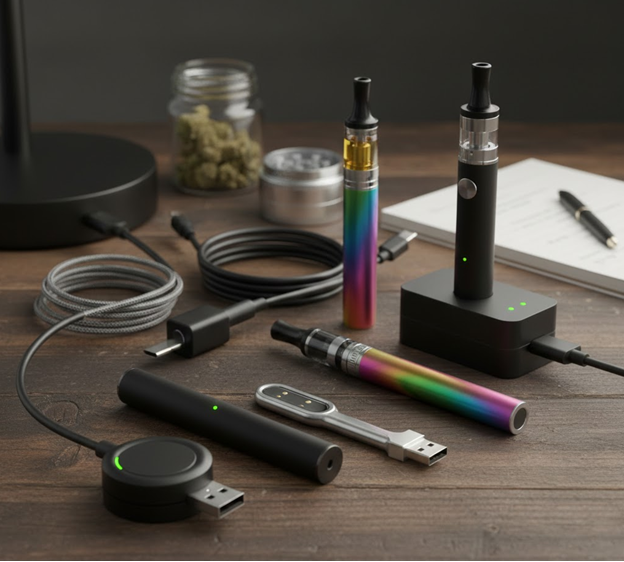
In the world of modern botanical consumption, the vape pen has become a staple for its discretion, portability, and efficiency. Central to the functionality of any vape pen, whether for dry herb or concentrated oils, is its power source. This makes the weed pen charger an often-overlooked yet utterly indispensable accessory. Understanding the different types of chargers, their functionalities, and best practices for use is crucial for any vape pen owner to ensure their device is always ready when needed.
Best buy link is here :- https://www.primaryjane.com/product-category/live-resin/
The Heart of the Operation: Why Chargers Matter
A vape pen is essentially a battery-powered heating device. Without a reliable way to replenish its energy, even the most advanced vape pen becomes a mere inert object. The charger is the vital link that connects your device to a power source, enabling repeated use and ensuring a consistent experience. Neglecting charger quality or proper charging habits can lead to frustrating downtime, shortened battery life, or even damage to the pen.
Common Types of Weed Pen Chargers
The type of charger you’ll use largely depends on the specific design and connectivity of your vape pen. The industry has standardized around a few key types:
- 510-Thread USB Charger: This is perhaps the most common type for smaller, pen-style oil vapes and certain dry herb vaporizers. It’s a small, circular charger that screws directly onto the 510-threaded connection of the vape pen battery. The other end of the charger typically plugs into a standard USB port (like those found on computers, wall adapters, or car chargers). These are known for their simplicity and portability.
- Micro-USB (USB-A to Micro-B): Many larger vape pens, especially those with more features or higher battery capacities, utilize a micro-USB port. This is a very common charging cable found in many electronic devices, making it highly convenient. The cable plugs directly into a port on the body of the vape pen.
- USB-C (USB-A to USB-C or USB-C to USB-C): As technology advances, many newer and higher-end vape pens are adopting USB-C connectivity. USB-C offers faster charging speeds, is reversible (meaning there’s no “wrong” way to plug it in), and can handle higher power delivery. This is becoming increasingly prevalent in more powerful and advanced portable vaporizers.
- Proprietary Chargers (Magnetic/Docking Stations): Some specialized or brand-specific vape pens may use unique charging interfaces. This could be a magnetic connection that snaps onto the device or a docking station that the pen sits into. While these offer a seamless user experience, they can be less convenient if the specific charger is lost or damaged, as replacements are often brand-specific.
Key Considerations When Using Your Charger
To maximize the life of your vape pen battery and ensure safe charging, keep these points in mind:
- Always Use the Correct Charger: The most crucial rule. Using a charger with incorrect voltage or amperage can damage the battery, reduce its lifespan, or even pose a safety risk. While USB connections are largely standardized, always defer to the manufacturer’s recommendations.
- Avoid Overcharging: Leaving your vape pen plugged in for extended periods after it’s fully charged can degrade the battery over time. Most modern vape pens and chargers have built-in overcharge protection, but it’s still good practice to unplug once charged.
- Charge in a Safe Environment: Always charge your device on a non-flammable surface, away from anything that could easily catch fire. Avoid charging unattended for prolonged periods.
- Keep Chargers Clean and Undamaged: Frayed cables, bent pins, or dirty connectors can impede charging efficiency and potentially create safety hazards. Regularly inspect your chargers and replace them if they show signs of wear and tear.
- Understand Charging Indicators: Most vape pens and chargers have LED indicators that signal charging status (e.g., red for charging, green for fully charged). Familiarize yourself with these signals.
- Power Source: While USB chargers are versatile, plugging into a dedicated wall adapter (one that matches the voltage/amperage recommendations) is generally more stable and efficient than charging through a computer’s USB port.
Extending Battery Life Beyond Charging
While the charger is essential, good battery habits also contribute to the longevity of your vape pen:
- Partial Discharges: Modern lithium-ion batteries, common in vape pens, often benefit more from partial discharges and recharges rather than being fully drained to empty every time.
- Avoid Extreme Temperatures: Both excessive heat and extreme cold can degrade battery performance and capacity. Avoid leaving your vape pen in direct sunlight or freezing temperatures.
- Regular Use: Batteries that sit unused for very long periods can sometimes lose their capacity. Regular, moderate use is often better than prolonged storage.
Conclusion
The weed pen charger, though a simple accessory, is a fundamental component of the vape pen experience. By understanding the different types of chargers, adhering to safe charging practices, and maintaining good battery habits, users can ensure their vape pens remain reliable, perform optimally, and provide consistent enjoyment for their botanical consumption needs. It’s a small piece of equipment with a mighty responsibility, keeping the power flowing for smooth and discreet sessions.
